
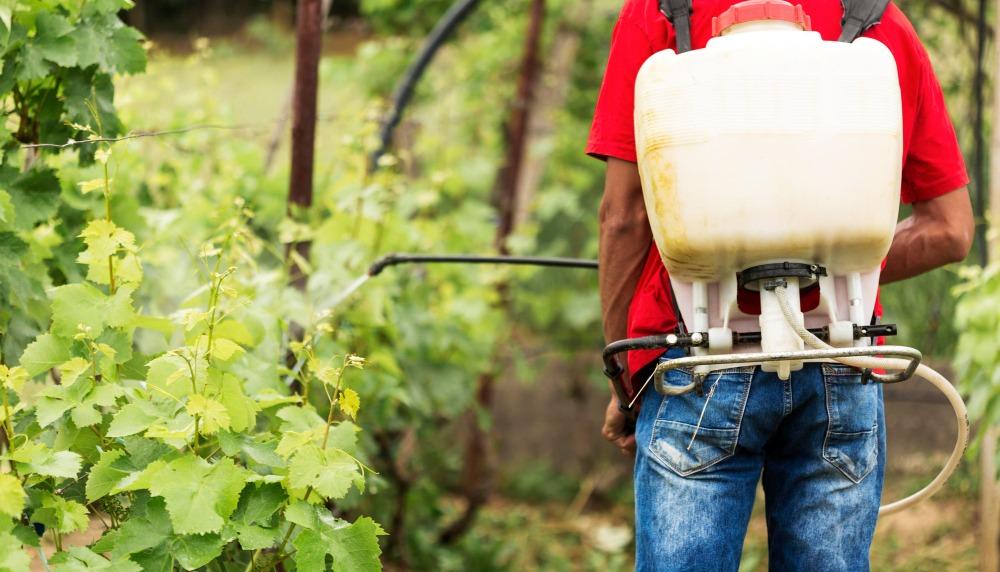
Protecting crops from insect pests is a cornerstone of ensuring food security and achieving desired productivity. Saudi farms face increasing challenges from harmful insects that threaten crops and negatively impact the quality and quantity of agricultural produce. This is where agricultural pesticides come in as an effective solution to this problem. Whether you're looking for the best types of agricultural pesticides to combat a specific pest, want to buy pesticides online easily, or are searching for a reliable agricultural pesticide store, this article is your comprehensive guide.
What are the best types of agricultural pesticides and why are they important?
Pesticides are defined as chemical or biological substances used to control insects and prevent them from damaging agricultural crops. These pesticides play a vital role in protecting crops and ensuring food security, as they help reduce losses caused by insect pests that could destroy the entire crop. The importance of pesticides lies in several key aspects:
- Increase agricultural production by eliminating insects that compete with plants for food or feed on them directly.
- It allows plants to grow naturally without being hindered by pests, resulting in higher quality fruit and better ripening.
- It protects the farmer's investment and ensures he receives a rewarding return on his crop.
- It helps in combating disease-carrying insects that may harm humans and animals.
You may be interested in: The best insecticide for agricultural spiders
The role of pesticides in protecting Saudi crops
Agriculture is increasingly contributing to food security, and pesticides play a pivotal role in protecting crops from pests prevalent in the Kingdom's diverse climate. With the expansion of agricultural projects and the adoption of modern irrigation technologies, the need for effective and safe agricultural pesticides has become more pressing.
Pesticides help protect strategic crops such as dates, grains, and vegetables, contributing to the Kingdom's Vision 2030 goals of food security and agricultural sustainability. Al-Talib Store provides integrated agricultural solutions that support this national objective.
The difference between insecticides, fungicides, and herbicides
To better understand insecticides , it is important to distinguish them from other types of agricultural pesticides:
- Insecticide: Used to control various types of insects, whether chewing, sucking, or piercing. It works in multiple ways, including contact, ingestion, or by affecting the insect's nervous system.
- Fungicide: Used to control fungi that infect plants and cause diseases such as powdery mildew, rust, and rot. It works by killing the fungi or preventing their growth and spread.
- Herbicide: Used to eliminate unwanted weeds and plants that compete with crops for water, nutrients, and light.
It is important to choose the right type of pesticide based on the problem the crop is facing. Using an insecticide for a fungal problem will not be effective, and vice versa.
Classification of pesticides according to chemical composition
The best types of agricultural pesticides vary greatly, and can be classified according to their chemical composition into four main groups:
organophosphorus pesticides
Organophosphorus pesticides are among the most widely used groups in modern agriculture. These pesticides work by inhibiting the cholinesterase enzyme in the insect's nervous system, leading to an accumulation of acetylcholine and consequently paralyzing and killing the insect.
This group is characterized by its high effectiveness and rapid action, but it is relatively toxic and requires careful use. It consists of compounds containing phosphorus, nitrogen, oxygen, and other elements. Examples include malathion and diazinon, which are used to control a wide range of insects, including ticks and bedbugs.
Pyrethroid pesticides
Pyrethroid pesticides are based on the natural substance pyrethrin, which is extracted from chrysanthemum flowers. They have been developed to be more stable and effective than the natural substance.
These pesticides work by affecting the nervous system of insects, causing rapid paralysis that leads to their death. They are characterized by their rapid decomposition in the environment and the absence of toxic residues, making them a preferred choice in many agricultural applications.
chlorinated pesticides
Organochlorine pesticides (chlorinated hydrocarbons) are among the oldest types of synthetic pesticides. They are characterized by their high stability in the environment and their ability to accumulate in living tissues, making their use controversial due to the associated environmental and health risks.
This group is considered among the most dangerous types of pesticides, as most of them can cause cancer in humans or animals. The use of many of these compounds has been banned or restricted in most countries worldwide, and it is advisable to avoid using them and seek safer alternatives.
Carbamate pesticides
Carbamate pesticides are similar to organophosphates in their mechanism of action, inhibiting the cholinesterase enzyme in the insect nervous system. However, they are generally less toxic and break down more quickly in the environment.
You might be interested in: The most powerful insecticide for all insects
The best types of agricultural pesticides are available at Al-Talib Store.
Al Talib Store is proud to offer a distinguished selection of the finest agricultural pesticides that meet the needs of farmers in the Kingdom of Saudi Arabia. We provide a wide range of approved chemical and biological pesticides, which adhere to the highest quality and safety standards, such as Tolvital (Tolfenpyrid), Tibutal (Tipofenozide), and Piroval 25%. You can browse our complete range of agricultural pesticides online through our e-store, where we offer easy purchasing and fast delivery to all regions of the Kingdom.
Biopesticides and organic pesticides as a safe alternative
Biopesticides and organic pesticides are emerging as a safe and environmentally friendly alternative to traditional chemical pesticides. These pesticides are derived from natural sources such as plants and microorganisms, and are characterized by being less toxic to humans and the environment, while also maintaining ecological balance in the field.
How do you choose the right insecticide for your crop?
Choosing the right pesticide for your crop is not easy, but following these steps will help you make the right decision:
- The first and most important step is correctly identifying the type of insect attacking your crop. Insects differ in their structure and feeding methods, and each type requires a suitable pesticide.
- Understanding the insect's feeding method: Insects are classified according to their feeding method into:
- Chewing insects such as caterpillars and beetles feed on plant leaves and fruits, and are combated with stomach toxins that take effect when ingested.
- Piercing-sucking insects such as aphids, thrips, and mealybugs suck plant sap and are controlled with contact or systemic poisons.
- Determining the extent and severity of the infestation helps in selecting the appropriate type and concentration of pesticide. Minor infestations may be treated with biological or narrow-spectrum pesticides, while severe infestations may require broad-spectrum chemical pesticides.
- Choose pesticides that are safe for the crop at its current stage, and avoid using certain pesticides during the flowering and fruit-setting stages because of their effect on the fruit.
- It is preferable to choose pesticides that are compatible with integrated pest management programs, which combine chemical, biological and agricultural control.
Tips for the safe and effective use of pesticides
To ensure you get the best results from using agricultural pesticides while maintaining your safety and the safety of the environment, follow these tips:
- Read the instructions on the pesticide container carefully before use, and adhere to the recommended dosages.
- Use gloves, protective eyewear, and appropriate clothing when handling pesticides.
- Spraying is best done in the early morning or evening, and avoid spraying in high temperatures or when the wind is blowing.
- Keep pesticides out of the reach of children and animals, and in their original, tightly sealed containers.
- Dispose of empty containers safely and away from water sources and residential areas, and consult with the relevant authorities about the correct ways to dispose of them.
- To avoid the development of insect resistance, do not use the same pesticide continuously, but diversify the use of pesticides with different mechanisms of action.
The dangers of misusing pesticides and how to avoid them
Despite the significant benefits of pesticides, their misuse can lead to serious harm, including:
- Exposure to high doses of pesticides can cause acute symptoms such as nausea, vomiting, diarrhea, and skin and eye irritation, and may lead to serious poisoning. Chronic exposure to low doses may be linked to chronic diseases such as cancer, asthma, and nervous system disorders.
- Excessive use of pesticides can kill beneficial organisms in the soil, such as earthworms, disrupt the ecological balance, and pollute groundwater.
- Repeated use of the same pesticide leads to the development of resistant insect strains, making it less effective over time.
To avoid these damages:
- Adhere to the recommended dosages and do not overuse.
- Use biopesticides and safe alternatives whenever possible.
- Follow the principles of integrated pest management.
- Follow safety instructions and wear protective equipment.
- Dispose of pesticide residues and empty containers safely.
Conclusion
Choosing the best agricultural pesticides and using them correctly are key to successfully protecting your crops. With the growing trend towards sustainable agriculture, we recommend considering the bio- and organic pesticide options offered by our store as a safe and effective alternative. We are committed to providing genuine products at competitive prices and offering fast and secure delivery.
Frequently asked questions about the best types of agricultural pesticides
Which insecticide is the most effective?
No single pesticide can be definitively identified as the most effective, as their efficacy varies depending on the type of pest, the crop, and environmental conditions. It is advisable to choose the appropriate pesticide based on the insect species and the nature of the infestation, and to consult a specialist when necessary.
Can pesticides be used in organic farming?
Yes, biopesticides and pesticides from natural sources such as neem oil and pyrethrin can be used in organic farming, provided they are approved by the competent authorities.
What are the methods of using agricultural pesticides?
Methods of application vary and include spraying (using different sprayers), dusting (spreading the powder on plants), and poison baits (mixing the pesticide with insect attractants).